
Summer Courses
August 17 - 21, 2025
This summer, we will be offering free classes taught by BUA teachers as a way for new ninth-grade students to get to know their teachers and classmates. Spaces are limited and will be filled on a first-come, first-served basis. We will do our best to ensure that students are signed up for at least ONE of their top choices. Please use this form to indicate which courses you are interested in registering for.
Please complete the form by April 21, and we will follow up after that time to confirm selections.

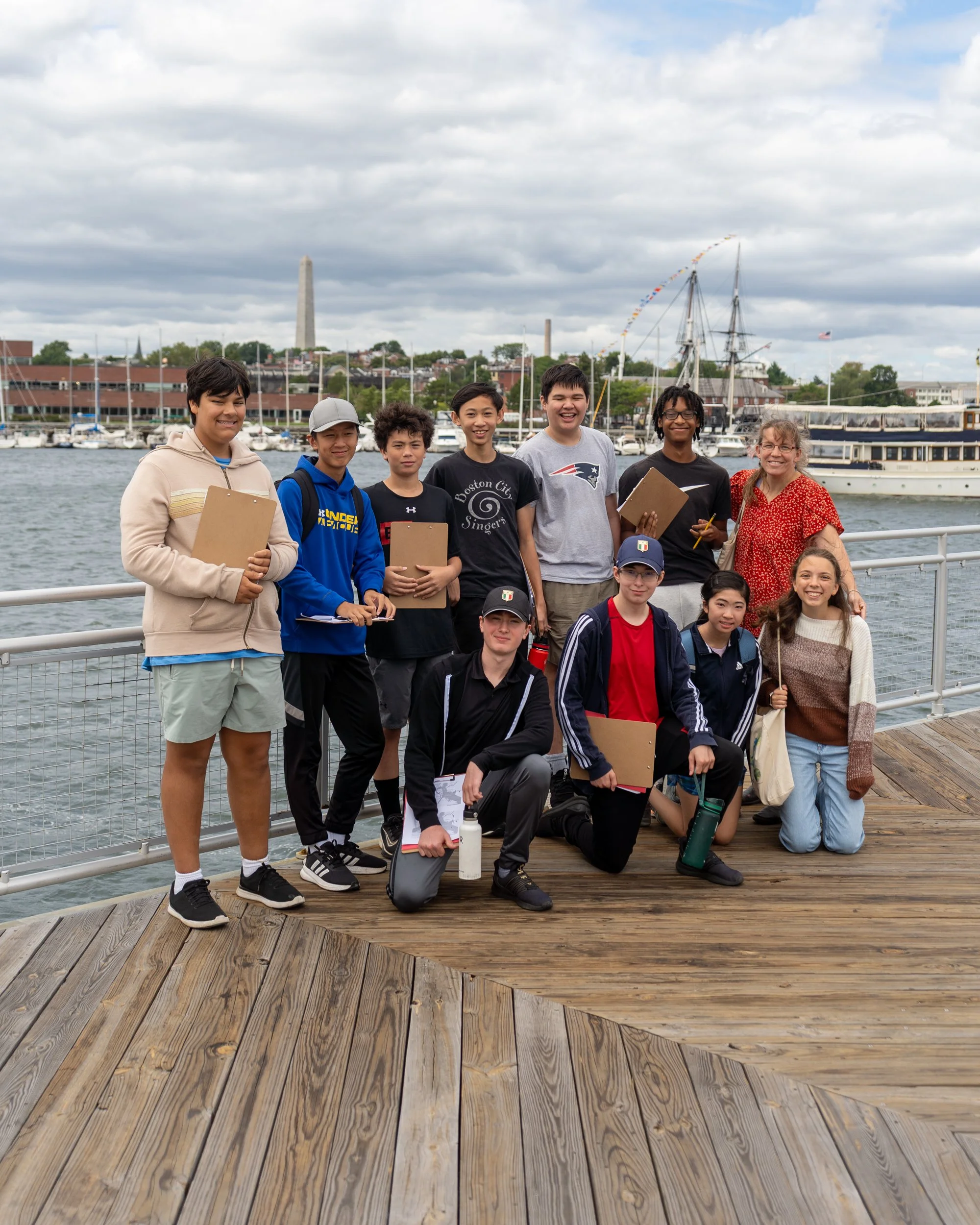
Boston Becoming Boston
Mrs. Brown and Dr. Larash
August 17 - 21, 2026 | 12:30 - 2:30 p.m.
When your family has friends visiting Boston, do you take them to sites along the Freedom Trail? Although these historical sites of the Revolution era are fascinating, they provide an incomplete understanding of our city. Many of the most important sections of Boston were developed in the 19th century. In this class, we will explore the changes to the Charles River and the Back Bay that caused Boston to grow into the city we see today. Expect to take the T most days and wear walking shoes as we investigate how Boston Became Boston! Note that there will likely be 1-2 days of this course that will involve off-campus field trips, which will extend the length of the day to later in the afternoon. More details about exact timing will be provided later in the summer.
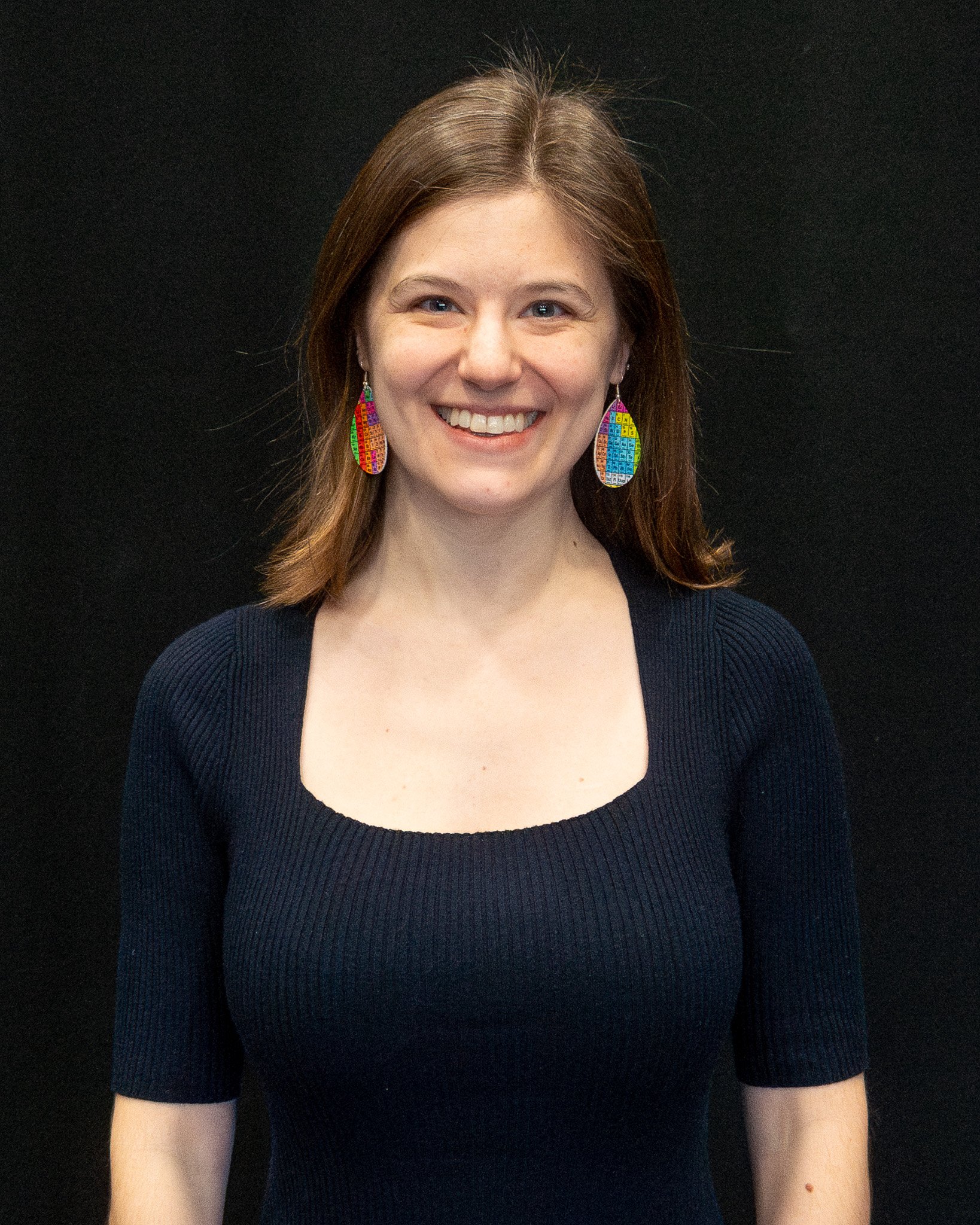
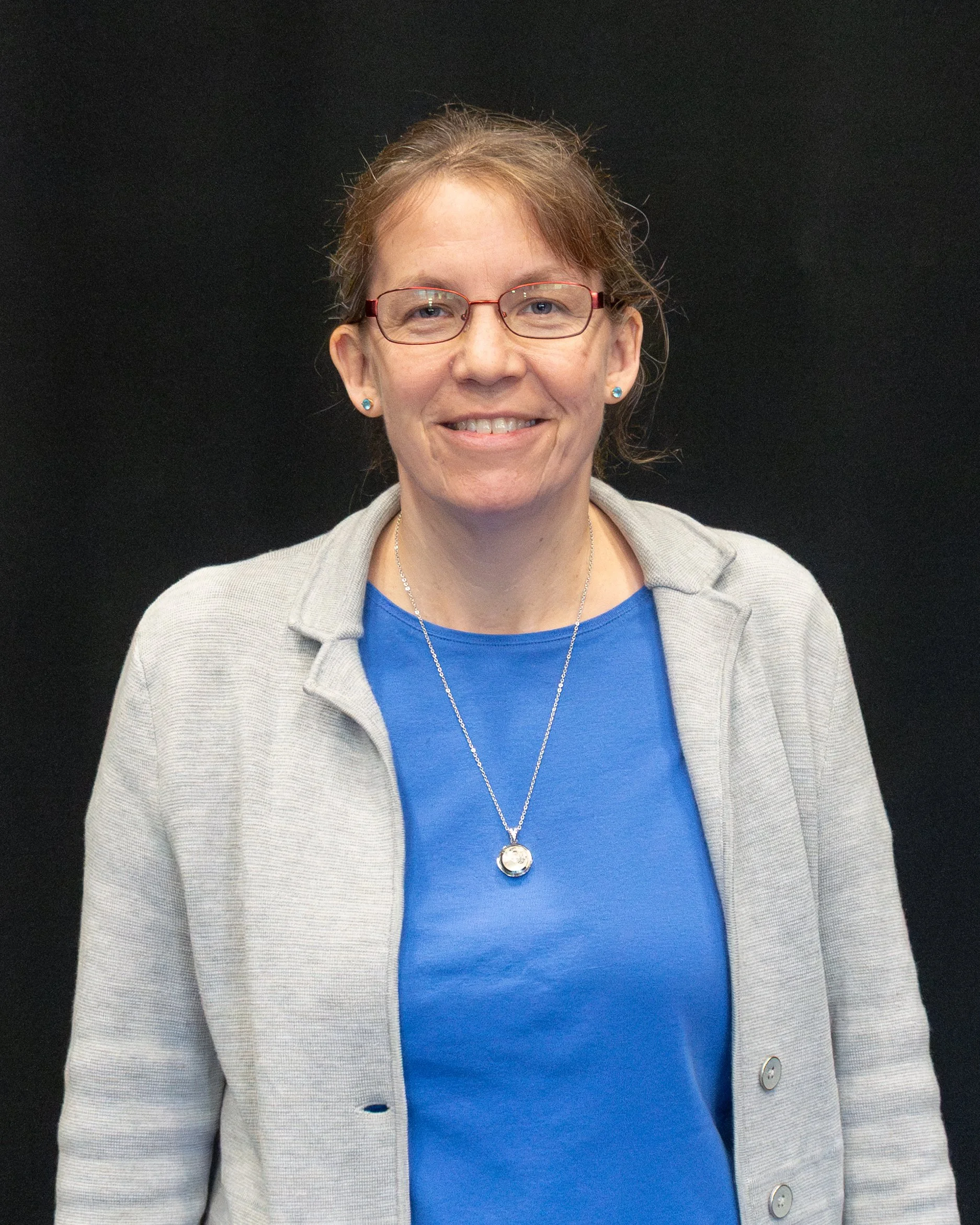
Human vs. Machine: The Ethics of Innovation in the 21st Century
Dr. White and Ms. Waring
August 17 - 21, 2026 | 12:30 - 2:30 p.m.
Is there an ethical limit to the use of genetic engineering? Can autonomous vehicles behave ethically? Can malaria nets cause harm? How do we innovate in a socially-conscious way? Rapid advances in modern technology often present us with thorny ethical questions. In this course, we will dive into these and other case studies. We will have students think about the complicated questions we face in the technology age.
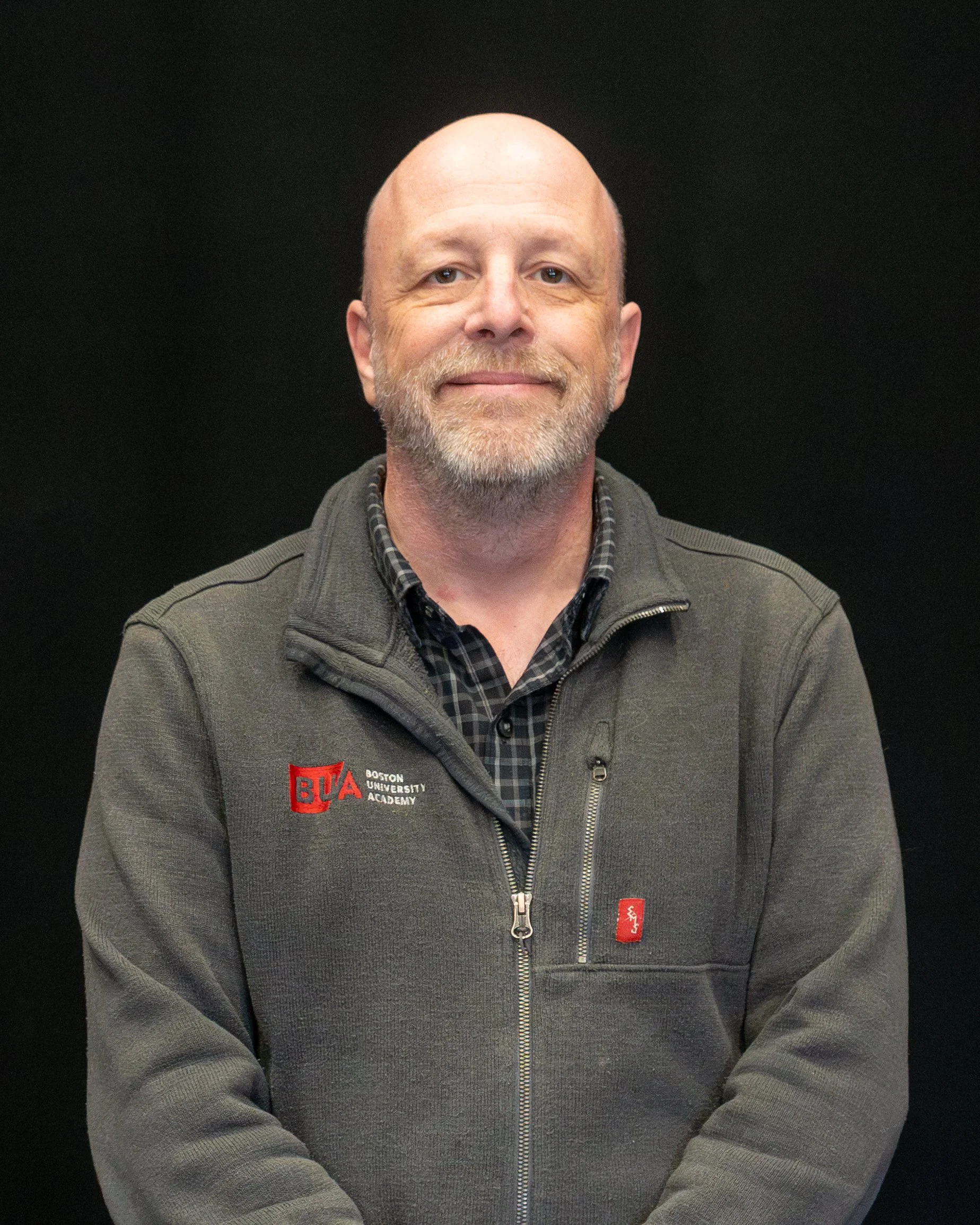
The Big Questions: An Invitation to Philosophy
Dr. Davis
August 17 - 21, 2026 | 12:30 - 2:30 p.m.
Aristotle said that philosophy begins in wonder. Have you ever wondered if you are awake or dreaming right now, or if you have free will or not, or whether god exists, or if killing one person to save four is the right thing to do? Do people have rights, and is it the government’s job to protect them? If so, you’ve been asking some of the “Big Questions” that philosophy explores.
At the heart of philosophy is a skeptical and logical attitude that subjects every claim to analysis and criticism. Thus, we’ll begin by learning a little logic, including what an argument is, what the difference is between deduction and induction, and what common errors or fallacies in reasoning are. Afterwards, we’ll move into exploring more deeply several of the classic questions philosophers have wrestled with and are still exploring today. Some of these questions include what is reality, what is knowledge as opposed to mere belief, what is makes an action moral or immoral, what is a right and what role should government play in enforcing rights? Which questions we cover will be based on student interest and on where our discussions lead us in class. In the end, philosophy must have bearing on our own lives, and thus, we will always be exploring how these “big, philosophical questions” impact our own lives and the society we live in.
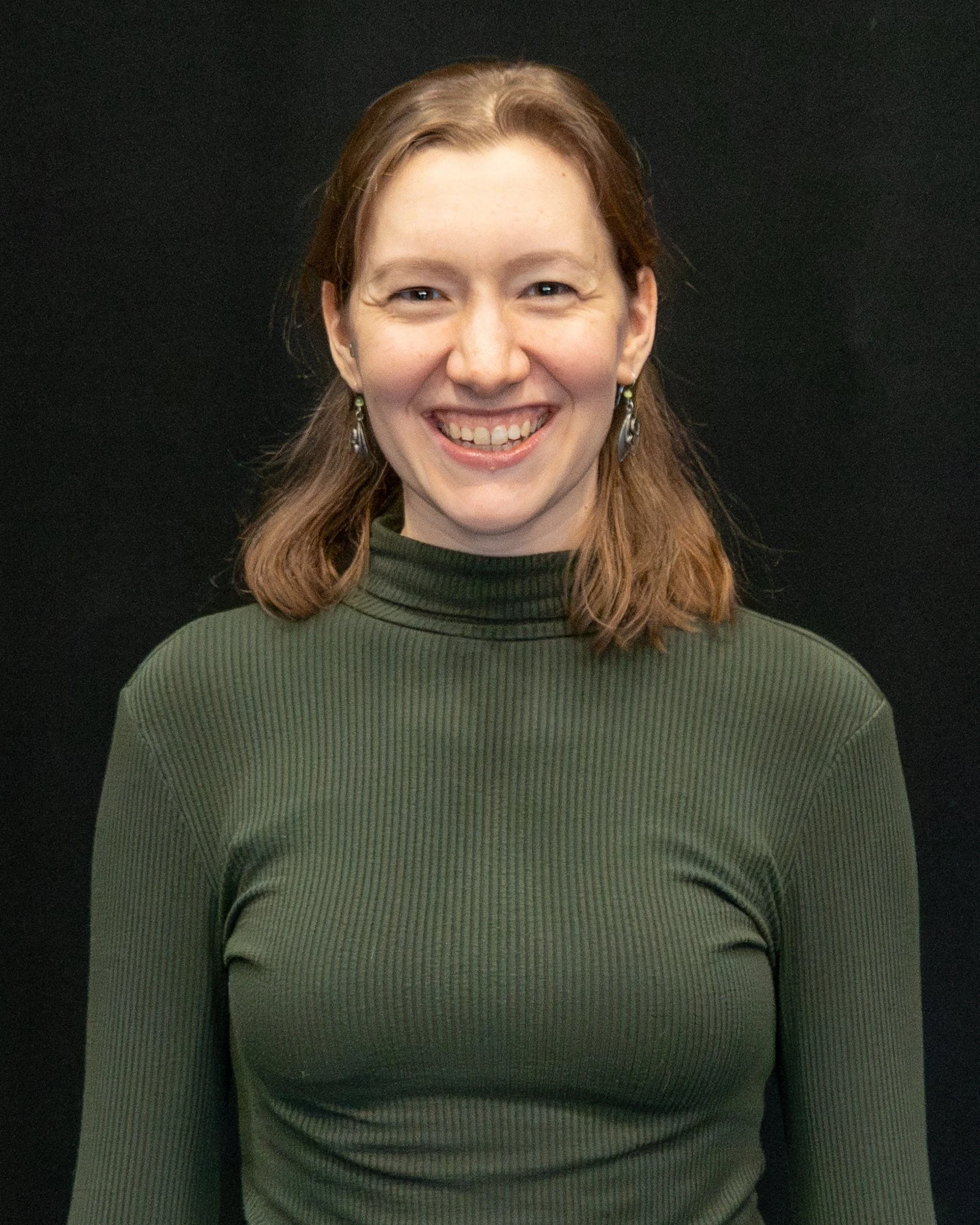
The Science of Sustainability
Dr. Karnaukh
August 17 - 21 | 12:30 - 2:30 p.m.
We have all grown up hearing about the importance of recycling, thrifting, composting, using renewable energy sources, and more to conserve natural resources, reduce waste, and invest in the future of our planet. But what is happening on a molecular level for each sustainability practice? In this mini-course, we will explore microscopic properties that drive sustainability and see their applications in our local communities. For example, we will learn about the carbon-nitrogen ratio that is crucial for microbial decomposition reactions before visiting a local farm to see composting in action. We will also run a carbon-capture experiment in the BUA lab before heading to the Museum of Science to explore their interactive exhibit about green technologies - and more! Note that at least 2 days of our course will involve off-campus field trips, which will extend the length of the day to later in the afternoon. More details about exact timing will be provided later in the summer.
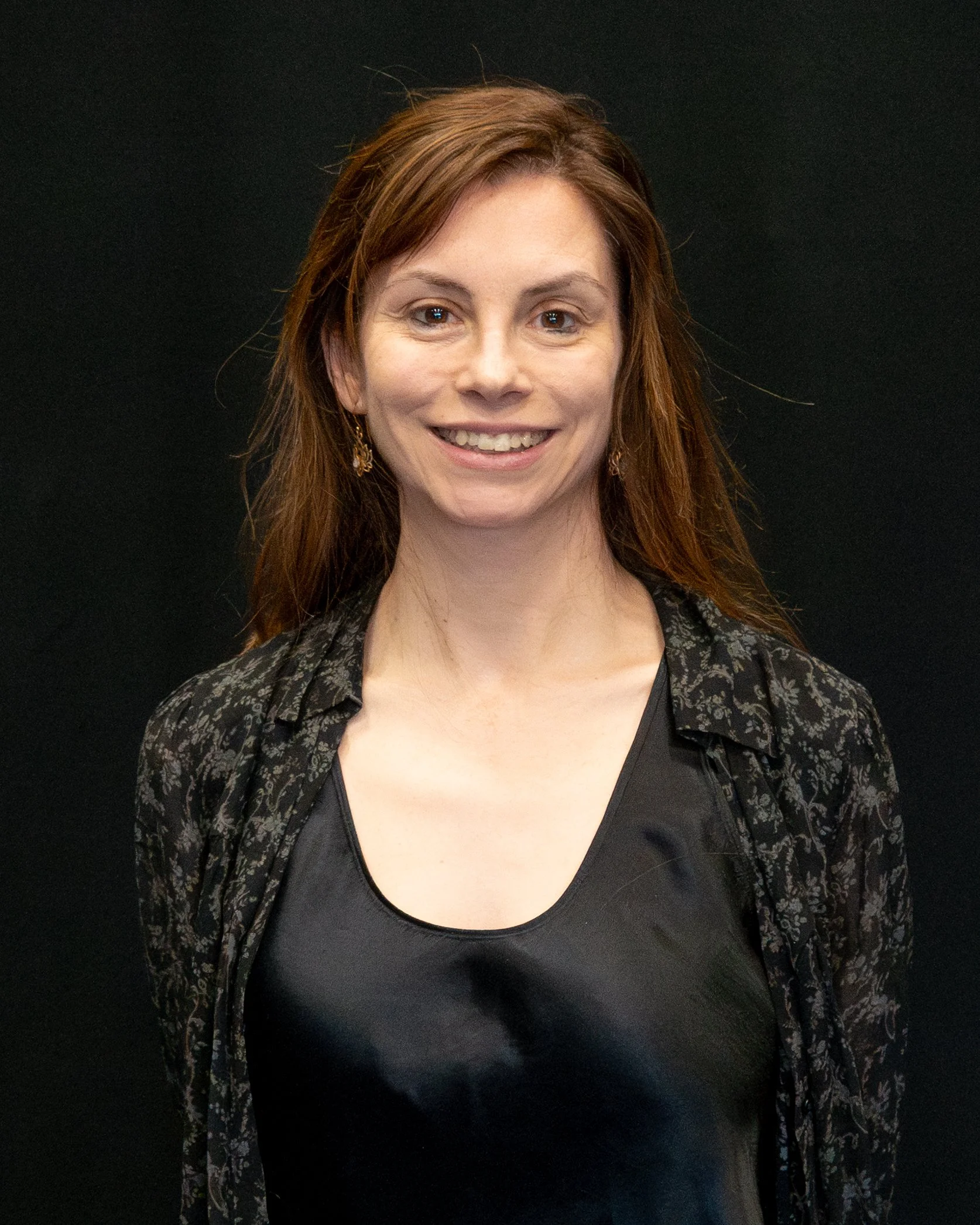
Writing the World
Ms. Kelly
August 17 - 21 | 12:30 - 2:30 p.m.
In this week-long generative creative writing course, students will immerse themselves in the discipline of writing as artists, choosing to focus on poetry, fiction, or a hybrid of the two. Together we will practice the art of paying attention, writing from close observation of the urban and natural environments, transforming details like overheard dialogue, the way a certain slant of light hits a building or the way a particular word strikes a chord into imaginative work. Through daily notebook exercises, craft-focused mini-lessons, and a supportive workshop environment, writers will experiment, take risks, and, most importantly, have fun. By week’s end, each student will have developed a small portfolio of polished pieces and a clearer sense of their creative voice.